 De Graafschap Hub
Recent Tactical Trends in De Graafschap's Play
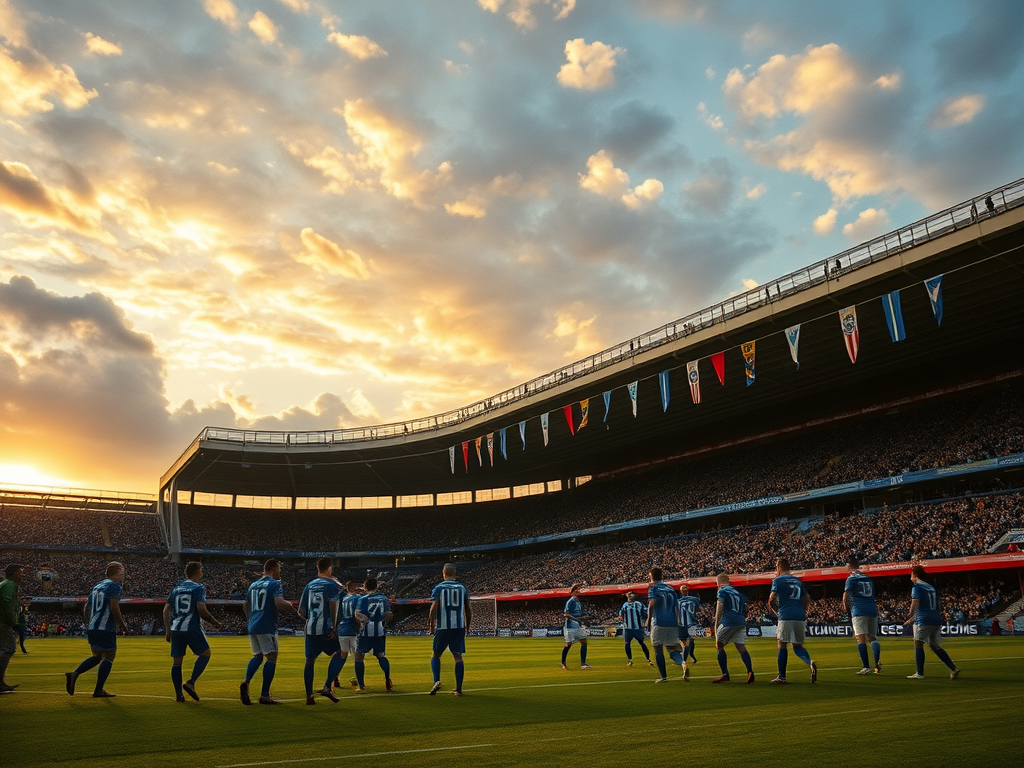
In the past few matches, De Graafschap has exhibited a blend of resilience and tactical fluidity that has contributed to their recent form. The team has largely employed a 4-3-3 formation, allowing them to maintain a solid defensive structure while also providing width in attack. However, the balance between offense and defense has at times tilted, leading to vulnerabilities that opponents have exploited.
One noticeable trend in De Graafschap's recent play is the reliance on wing play, particularly through the likes of their wingers who stretch the opposition and create space for the midfielders to exploit. While this approach has led to some success, it has also revealed a lack of penetration through the middle, where they seem to struggle against more compact defensive units. The midfield trio, although hard-working, has occasionally been caught too high up the pitch, leaving gaps that can be exposed during counter-attacks.
Suggested Tactical Tweaks
To address these issues, a few tactical adjustments could be beneficial for De Graafschap moving forward:
1. Adjusting the Midfield Shape: Shifting from a flat midfield three to a more diamond-shaped midfield could help in controlling the center of the park better. This formation allows for more passing options and can enable a more nuanced build-up play. By having a player sit deeper, De Graafschap can ensure greater defensive stability while also providing a link between defense and attack.
2. Reinforcing the Defensive Line: Increasing the depth of the defense by shifting the defensive line slightly deeper can help mitigate the risks of pacey counter-attacks. This would require the full-backs to be more cautious in their forward runs, ensuring that the team remains compact and reduces the spaces available for the opposition to exploit.
3. Utilizing a False Nine: Introducing a false nine into the lineup could create confusion in the opposing defense, pulling center-backs out of position. This adjustment could free up space for attacking midfielders to make runs into the box, thereby increasing goal-scoring opportunities. Players like their current forwards, who have the technical ability to drop deep and link up play, could thrive in this role.
4. More Dynamic Wing Play: While wing play has been a strength, adding more variability can keep defenses guessing. Encouraging wingers to cut inside or swap flanks could provide a more dynamic approach and create mismatches against defenders, especially those who might be more comfortable defending against traditional wide play.
Conclusion
Overall, De Graafschap possesses a solid foundation to build upon, but slight tactical tweaks could elevate their game to the next level. By addressing the midfield balance, reinforcing defensive stability, and introducing more dynamic attacking strategies, they can improve their consistency and effectiveness as they navigate through the challenges of the league. As the season progresses, it will be interesting to see how these adjustments are implemented and how they affect the team's overall performance.