 De Graafschap Hub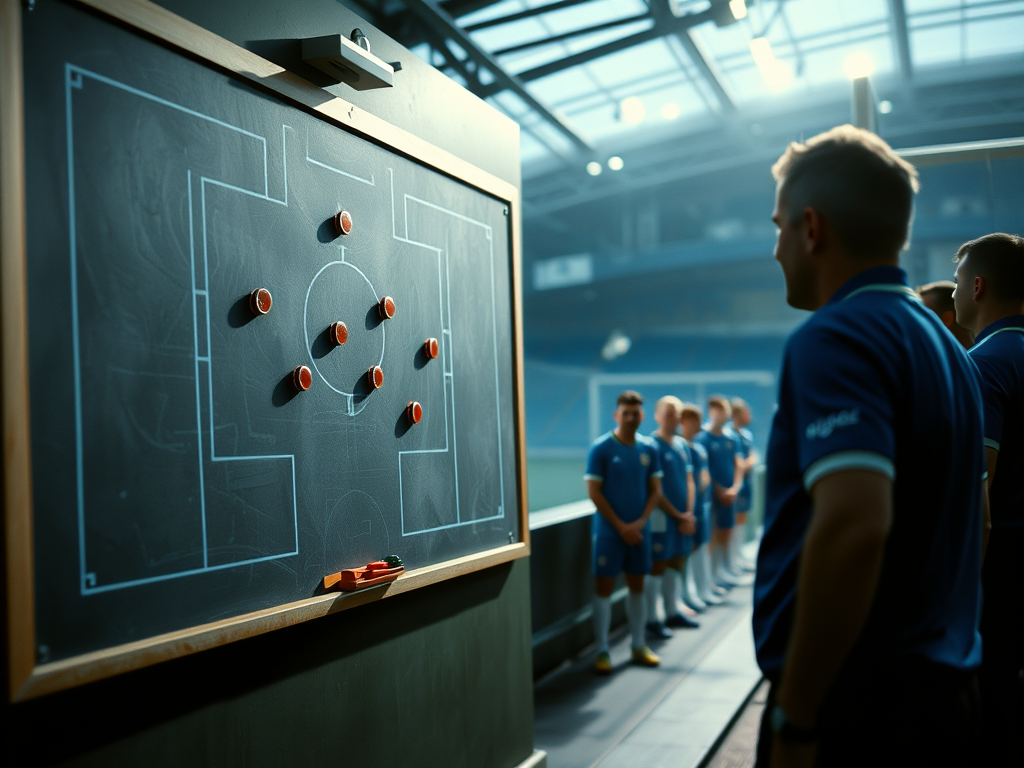
Recent Tactical Observations
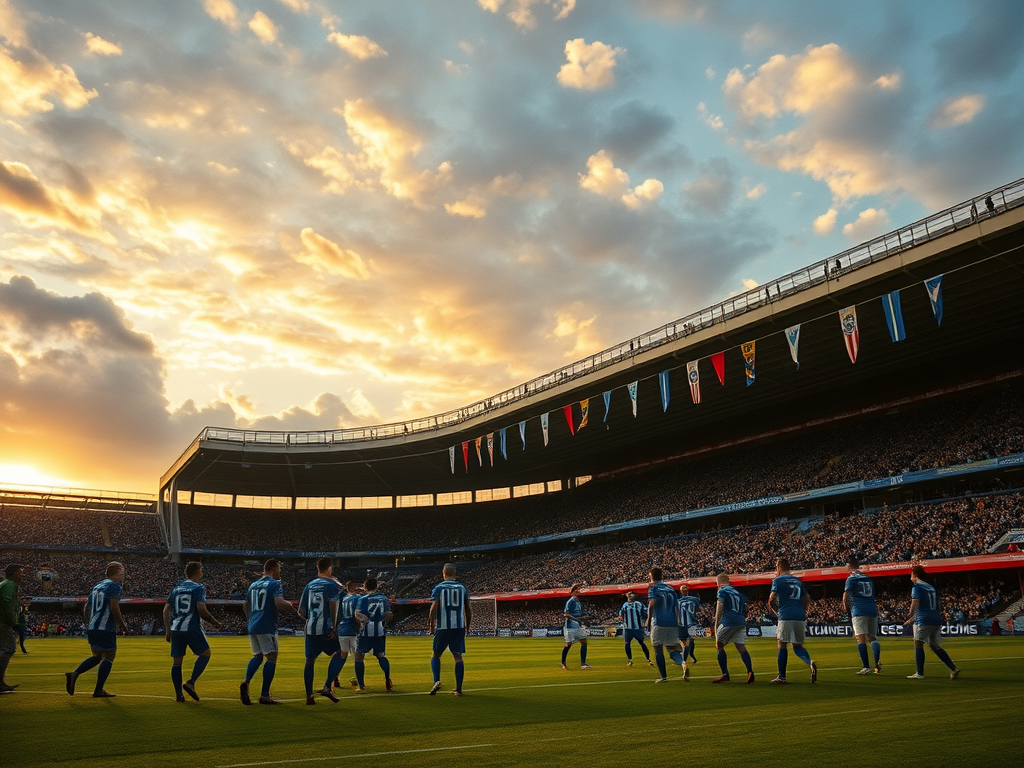
In the latest fixtures, De Graafschap has displayed a mix of resilience and creativity, often oscillating between a 4-3-3 and a 4-2-3-1 formation. While both setups offer attacking potential, the team has struggled to find a cohesive rhythm, particularly in midfield where transitions have been slow. Opponents have often exploited this, pressing high and forcing turnovers.
Midfield Dynamics
One of the critical areas that need attention is the midfield triangle. Currently, the team relies heavily on the holding midfielder to distribute the ball, but this can become predictable. To address this, introducing a more fluid midfield structure could allow for dynamic movement, creating passing lanes and opening up space for forwards.
For instance, shifting to a 4-1-4-1 formation could give the midfielders more freedom to interchange positions, thus confusing opposition defenses. This tweak could leverage the strengths of players like Gijs Bolk, who thrives in more advanced roles, while still providing defensive cover.
Wide Play and Wingbacks
De Graafschap's wing play has been a highlight, yet it often lacks the support and depth needed to penetrate organized defenses. The wingbacks need to push higher up the pitch, providing width and stretching the play. By overlapping with wingers, they can create 2v1 situations that can unbalance opposing defenses.
In addition, encouraging wingers to cut inside can draw defenders out of position, allowing for greater opportunities for strikers to exploit the space left behind.
Defensive Solidity
On the defensive side, while De Graafschap has shown moments of strength, the backline has occasionally been caught out of position during quick counter-attacks. A more disciplined approach to pressing is essential; rather than committing too many players forward, the team should aim to maintain a compact shape, making it harder for opponents to exploit gaps.
This could be achieved by adopting a more conservative approach when leading in matches. By keeping two players back during attacking phases, De Graafschap can ensure they are better prepared for transitions.
Conclusion
As De Graafschap looks to build on their recent performances, fine-tuning their tactical approach will be crucial. By implementing these adjustments, particularly in terms of midfield fluidity, wing play, and defensive solidity, the team can enhance its chances of mounting a serious challenge in the league. Fans will be eager to see how these tweaks translate into improved performances in the upcoming fixtures.