 De Graafschap Hub
As De Graafschap navigates the challenging waters of the current league season, it has become increasingly clear that tactical adjustments are necessary to optimize the team's performance. Recent matches have highlighted both strengths and weaknesses, revealing a need for a more cohesive strategy that balances offensive ambition with defensive solidity.
Current Tactical Landscape
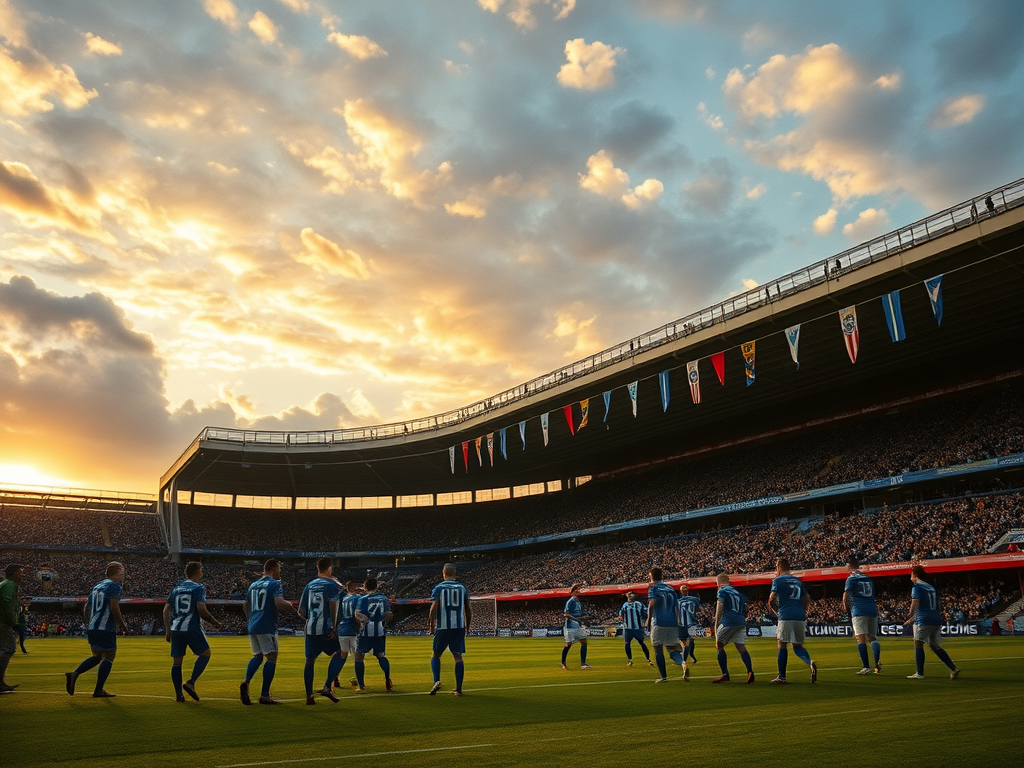
In their latest outings, De Graafschap has primarily employed a 4-2-3-1 formation, which provides a solid base in midfield while allowing for creative freedom in attack. However, the team has struggled to maintain possession, often relying on counter-attacks rather than building plays from the back. This has resulted in inconsistencies in scoring, as the fluidity needed to break down organized defenses has been lacking.
Suggested Tweaks
One potential tweak involves shifting to a more flexible 4-3-3 formation. This change would enable De Graafschap to utilize their midfield strength more effectively, allowing for better ball retention and a quicker transition from defense to attack. By doing so, the team can exploit the width of the pitch, stretching opponents and creating space for forwards to exploit.
In this setup, it would be beneficial for the central midfielder to adopt a more box-to-box role, providing support both defensively and offensively. This could relieve some pressure on the backline, allowing defenders to focus on their primary roles without being overly burdened by the need to cover expansive areas of the pitch.
Player Roles and Responsibilities
Another area to consider is the roles of the wingers and the central striker. The current approach often sees the wide players pinned back, limiting their impact on the game. By encouraging wingers to cut inside more frequently, De Graafschap could create a more dynamic attacking front. This would not only help in drawing defenders out of position but also allow the central striker more opportunities to find goal-scoring chances.
Furthermore, the introduction of a more aggressive pressing strategy could disrupt opposing defenses earlier in their build-up play. By initiating pressure high up the pitch, De Graafschap can regain possession in advanced areas, leading to quick scoring opportunities. This tactical shift would require the forwards to have a strong work ethic, but it could yield significant benefits in terms of possession and scoring chances.
Conclusion
In conclusion, while De Graafschap has shown flashes of brilliance this season, a tactical recalibration is necessary to unlock the full potential of the squad. By adopting a more flexible formation and redefining player roles, the team can strike a better balance between attack and defense. The upcoming matches provide an excellent opportunity to implement these changes, setting the stage for a more competitive second half of the season.