 De Graafschap Hub
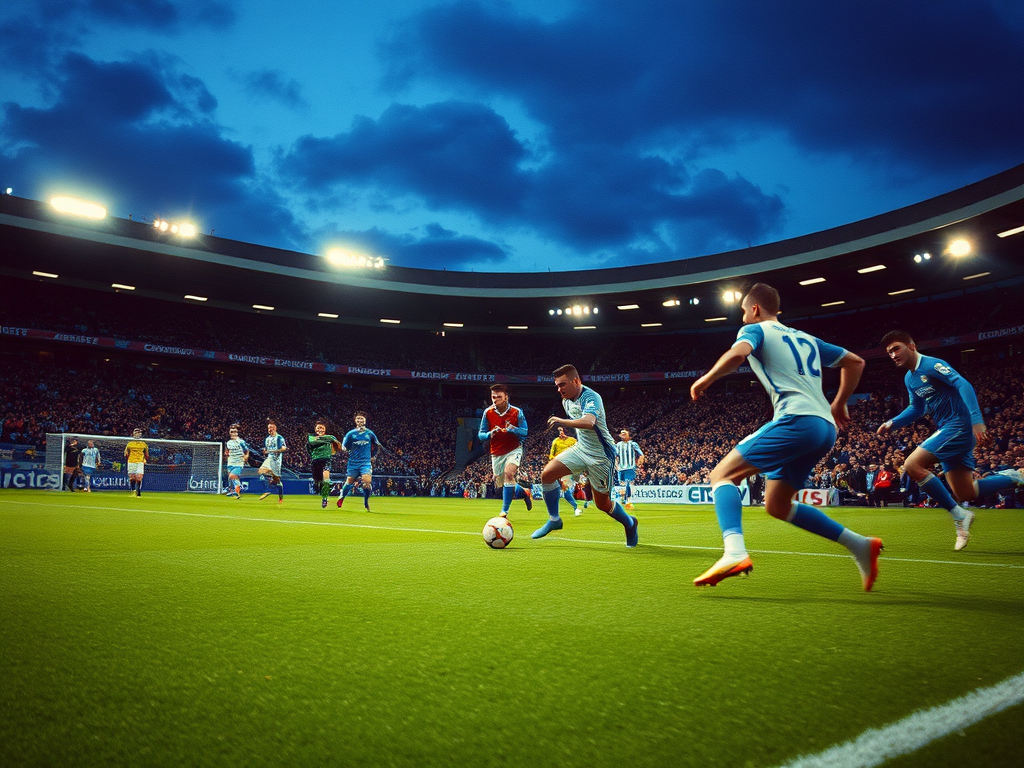
As De Graafschap navigates the challenges of the current season, their recent form has highlighted both strengths and weaknesses that warrant a tactical reassessment. The team has shown flashes of brilliance, particularly in attacking transitions, but inconsistencies in defensive organization and midfield cohesion have stymied their progress. In this analysis, we'll explore potential tweaks that could enhance De Graafschap's performance moving forward.
Current Tactical Setup
De Graafschap has predominantly employed a 4-2-3-1 formation, a setup that has allowed them to maintain a solid defensive base while providing flexibility in attack. The two holding midfielders have been crucial in disrupting opposition play, but there have been moments when the gaps between the midfield and the defense have been exploited, particularly against pacey opponents. Furthermore, the attacking trio behind the lone striker has often struggled to create clear-cut chances, which has resulted in a reliance on individual brilliance rather than cohesive team play.
Suggested Tactical Tweaks
1. Adopting a 4-3-3 Formation One immediate tweak could be shifting to a 4-3-3 formation. This change would allow De Graafschap to control the midfield more effectively and provide additional support to the front line. By deploying a more dynamic midfield trio, the team can enhance ball retention and facilitate quicker transitions from defense to attack. The wide players in a 4-3-3 could stretch the opposition, creating space for the central striker and overlapping full-backs to exploit.
2. Incorporating a Pressing Strategy Another area for improvement is the implementation of a more aggressive pressing strategy. Currently, De Graafschap tends to drop back and absorb pressure, which can lead to defensive lapses and unnecessary fouls in dangerous areas. By adopting a more proactive pressing approach, they can force turnovers higher up the pitch and create immediate goal-scoring opportunities. This would require the forwards to commit to pressing as a unit, ensuring that the team maintains compactness and intensity throughout the match.
3. Utilizing Width Effectively The current attacking setup can sometimes become too central, allowing opposing defenses to crowd the box. Encouraging the wingers to stay wide and utilize the flanks effectively will stretch opposition defenses, creating gaps for midfield runners and the striker. This tweak not only enhances the attacking threat but also provides a better balance defensively, as wide players can track back to assist in defensive duties when needed.
4. Enhancing Set-Piece Strategy Set-pieces can be a significant source of goals in tightly contested matches. De Graafschap should focus on refining their corner and free-kick routines, developing specific plays that capitalize on their aerial strength. A well-drilled set-piece strategy can be the difference in crucial matches, particularly against teams that defend deep.
Conclusion
As De Graafschap aims for consistency in the league, these tactical tweaks could provide the necessary adjustments to enhance their overall performance. By adopting a more fluid formation, implementing a pressing strategy, utilizing width effectively, and enhancing set-piece execution, the team can not only improve their chances of scoring but also solidify their defensive structure. The potential for growth is evident, and with strategic adjustments, De Graafschap can look forward to a more fruitful campaign ahead.